Hico’s Café with Two Histories
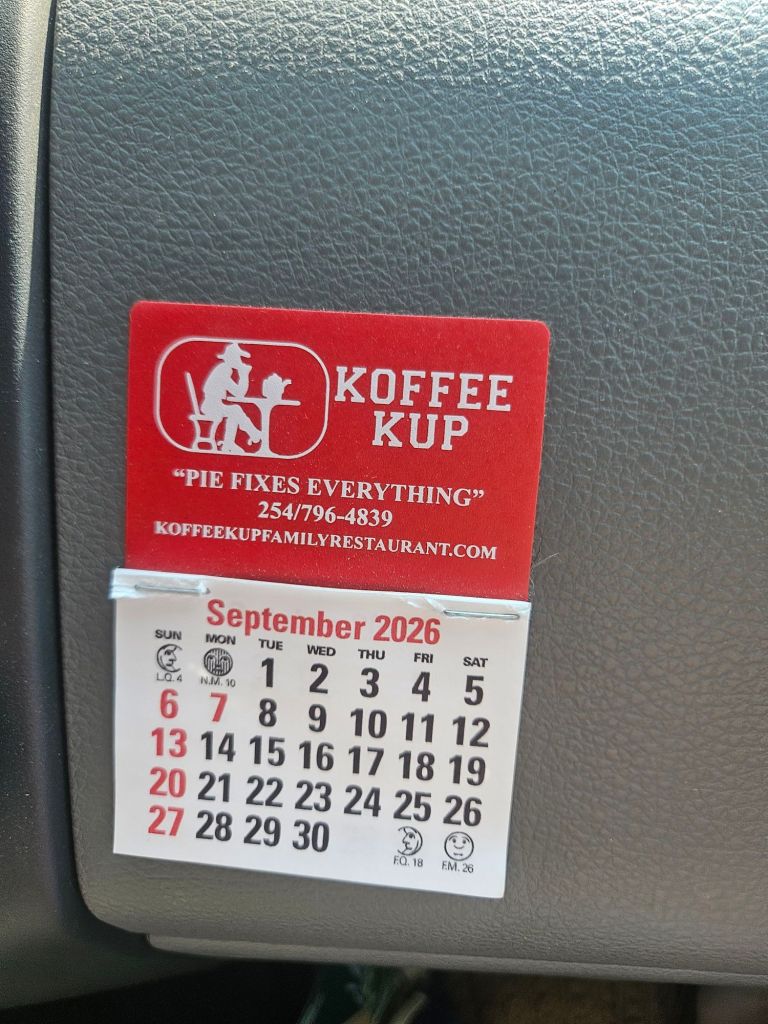
Some places serve up more than a plate lunch. They serve a whole town’s story. The Koffee Kup in Hico is one of those places, and its story has two sides: one warm and familiar, and one hard enough that we ought not look away.
The café opened in 1968 at the crossroads of Highways 6 and 281. For generations of locals and travelers, it has been the kind of Texas stopping place where the coffee keeps coming and supper tastes like somebody’s grandmother still runs the kitchen. Folks know it for chicken-fried steak, crisp onion rings, plenty of cream gravy, and a pie case that can make a sensible person forget all about being sensible.
When The Daytripper featured Hico, the Koffee Kup was presented as a classic small-town café. The show praised the golden-brown chicken-fried steak, onion rings, and gravy, then pointed folks toward sixteen kinds of homemade pie. That is the beloved half of the story, and it is real. This restaurant has fed a heap of people and given many families a favorite place to meet on the road.
But there is another half, and I do not believe in hiding the bitter just because the sweet is easier to swallow.
Through the later years of the twentieth century, the old Koffee Kup Kafe was known locally as a meeting place for members of the Ku Klux Klan. Historical accounts say the Waco Knights held monthly meetings there for close to three decades, ending around 1990. The old spelling—Koffee Kup Kafe—left three K’s in plain sight, and many people read that as a deliberate wink toward the Klan rather than an innocent bit of café spelling.
Those were not harmless initials. The Ku Klux Klan built its name on white supremacy, intimidation, and violence. Later accounts describe rallies and cross-burnings in or around the café’s parking area. A June 30, 1990 Fort Worth Star-Telegram report shows Hico residents pushing back on an announced Klan rally: no local store volunteered window space for a handbill, a waitress at the Koffee Kup said, “We don’t want it,” and the planned cross-burning had to be moved to a field outside town because of fire ordinances.
By 2012, the business was being called the Koffee Kup Family Restaurant. A later historical account—drawing on reporting from the Odessa American—described the name change alongside Hico’s effort to change its image. Today the restaurant is still a popular stop, better known for family meals, towering meringue, and that famous chicken-fried steak than for the ugliness tied to its earlier years.
I think both truths belong on the same page. The good meals and family memories are real. So is the history that made some people feel unwelcome or unsafe. Telling one side without the other would leave us with a prettier story, but not an honest one.
To me, reckoning with the past is not the same as pretending it never happened. It means naming what was wrong, listening to the people it hurt, and choosing what kind of place you want to be now. A new name by itself cannot erase old harm, but it can be part of a larger decision to turn away from it.
Towns are a little like people that way. They can carry scars, make mistakes, face hard truths, and still choose to do better. Hico’s Koffee Kup has two histories—the home-cooking landmark and the shadow behind the old name. I believe readers deserve to know them both. And if the story is still being rewritten with a wider welcome and a better heart, then that second chance is worth writing about, too.
—Dinky

